
Google Ads Copywriting Made Simple: A Fast, Effective Guide
Imagive Content Team
January 21, 2026
Google Ads copywriting often feels harder than it should be. With limited character counts, rising competition, and shrinking attention spans, marketers are expected to deliver high-performing ads consistently and at scale. At Imagive.ai, we see teams struggle not because they lack ideas, but because the process of turning ideas into testable ad copy is slow and fragmented.
As paid media becomes more performance-driven, the way teams approach copywriting has shifted. Manual writing alone is no longer enough. This is where modern copy writing tools and AI-assisted workflows are reshaping how Google Ads copy is created, tested, and optimised.
In this guide, we break down how Google Ads copywriting works, where teams lose efficiency, and how Imagive.ai helps simplify the process without compromising performance or control.
Why Google Ads Copywriting Feels Complex
On the surface, writing Google Ads copy looks straightforward. Short headlines, concise descriptions, and a clear call to action. In practice, the challenge lies in alignment.
Every ad must balance:
- Keyword intent
- User mindset at the moment of search
- Platform constraints
- Performance goals like CTR and conversions
Without a structured system, teams often rely on instinct or reuse similar messaging across campaigns. Over time, this leads to creative fatigue and missed optimisation opportunities.
What Makes High-Performing Google Ads Copy
Effective ad copy is not about clever wording alone. It is about relevance and clarity.
Strong Google Ads copy typically:
- Matches search intent closely
- Communicates value immediately
- Removes friction or uncertainty
- Encourages action with confidence
This is why many marketers turn to best copywriting tools. These tools help streamline ideation and reduce the time spent on repetitive drafting, especially across large account structures.
How Copy Writing Tools Improve Speed and Consistency
Modern copy writing tools are designed to support scale. Instead of writing ads one by one, teams can generate multiple variations aligned to keywords, offers, or audiences.
Key advantages include:
- Faster generation of headlines and descriptions
- Consistent structure across ad groups
- Easier testing of different value propositions
- Reduced dependency on manual drafting
For ecommerce, SaaS, and service brands running frequent campaigns, this speed directly impacts how quickly learnings are applied.
The Role of AI in Ad Copy Creation
AI-driven systems go a step further by learning from patterns in high-performing ads. An AI-powered ad copy writer can assist teams by suggesting variations that follow proven structures rather than random rewrites.
AI helps with:
- Drafting multiple headline angles
- Reframing benefits and offers
- Adapting tone for different intents
- Maintaining relevance at scale
However, AI works best when paired with human judgment. Strategy, positioning, and testing priorities still come from marketers.
Common Mistakes in Google Ads Copywriting
Even with access to tools, teams often make avoidable mistakes.
Writing Without a Clear Hypothesis
Ads are launched without clarity on what is being tested, making results harder to interpret.
Overusing Generic Language
Phrases like “best quality” or “affordable prices” lack differentiation and fail to stand out.
Treating AI Output as Final
AI-generated copy should be reviewed and refined. Without human input, nuance and accuracy can suffer.
How We at Imagive.ai Simplify Google Ads Copywriting
At Imagive.ai, we built our platform to support performance teams who need clarity, speed, and structure. We do not treat AI as a shortcut. We use it as an enabler.
Our system helps teams use best copywriting tools principles while keeping strategy at the centre. Imagive.ai supports Google Ads copywriting by:
- Generating structured ad variations aligned to keyword intent
- Helping teams test multiple angles without creative overload
- Acting as an intelligent ad copy writer that supports ideation, not replaces decision-making
By integrating AI early in the workflow, we help teams reduce time spent on manual drafting and increase time spent on optimisation and learning.
A Practical Workflow for Faster Results
A simple, effective approach looks like this:
- Define the intent and goal of the ad group
- Use AI-assisted tools to generate multiple copy variations
- Select variations based on clarity and relevance
- Launch structured A/B tests
- Review performance and refine messaging
This workflow allows teams to scale experimentation without losing control over quality or brand voice.
Conclusion
Google Ads copywriting does not need to be complicated. With the right structure, tools, and mindset, teams can produce better ads faster and with more consistency.
At Imagive.ai, we help marketers simplify copy creation by combining AI-driven assistance with performance-focused thinking. Our approach to copy writing tools and AI-supported workflows ensures that teams move quickly while staying aligned with strategy and results.
If you are looking to make Google Ads copywriting faster, clearer, and more effective, Imagive.ai helps you build a system that works at scale.
FAQs
Q1. What are copy writing tools used for in Google Ads?
They help generate, structure, and test ad copy variations efficiently.
Q2. Are the best copywriting tools suitable for beginners?
Yes. They simplify the process and provide structured starting points for writing ads.
Q3. What does an ad copy writer tool actually do?
It assists with drafting headlines and descriptions based on intent, keywords, and messaging patterns.
Q4. Can AI-generated ad copy improve performance?
Yes, when combined with human review and structured testing.
Q5. Should AI replace manual copywriting for Google Ads?
No. AI supports speed and scale, but human strategy remains essential.
Q6. How often should Google Ads copy be refreshed?
Regularly. Continuous testing and iteration help prevent fatigue and improve results.
Related Articles
See all →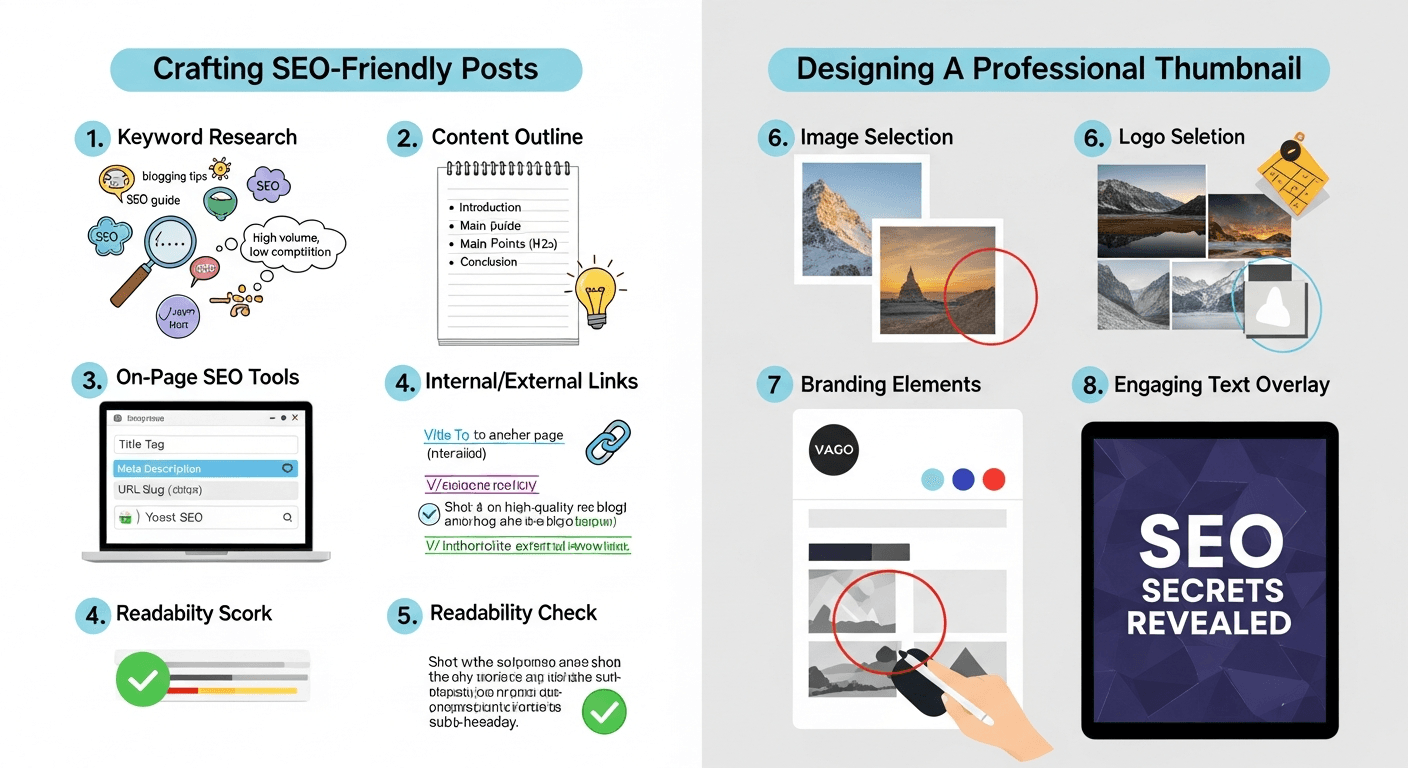
AI
Step-by-Step Guide: Using Blog Writing Tools to Create SEO-Friendly Posts
4 min read
ImagiveAi
How Imagive AI Supercharges SEO Blog Writing for Marketers
5 min read
ImagiveAi
Writing Winning Facebook and Instagram Ads with Imagive AI
7 min read

ImagiveAi
How Imagive.ai Helps You Write and Test Winning Ads in Minutes, Not Days
4 min read

ImagiveAi
The ROI of AI-Generated Ad Creatives: How Performance Marketers Can Scale Faster
4 min read